
Digital STP Examples
The strategic marketing principles for inbound marketing campaigns do not change with a new digital medium, the context just changes. Therefore, we must implement these proven principles within the parameters of this new digital medium. To begin this process, a firm or individual should consider the different market segments to whom their digital marketing messages will appeal. For example, Swiftwick, a Nashville, TN based sock manufacturer, has a unique product that wicks away moisture from your feet when you wear their compression fit socks. Starting with just bikers, they discovered that their style of sock became especially popular with two other segments of consumers besides just bikers, including runners and hikers. Before the company decided to strategically target these three market segments, their marketing messages targeted many different sock consumers across various sock segments. In a desire to create some standardization and cut down on design and operating costs, Swiftwick drew their focus on these three market segments with a differentiated targeting strategy. “Run, Bike, Hike” became the new target markets to which they would focus their marketing messages.
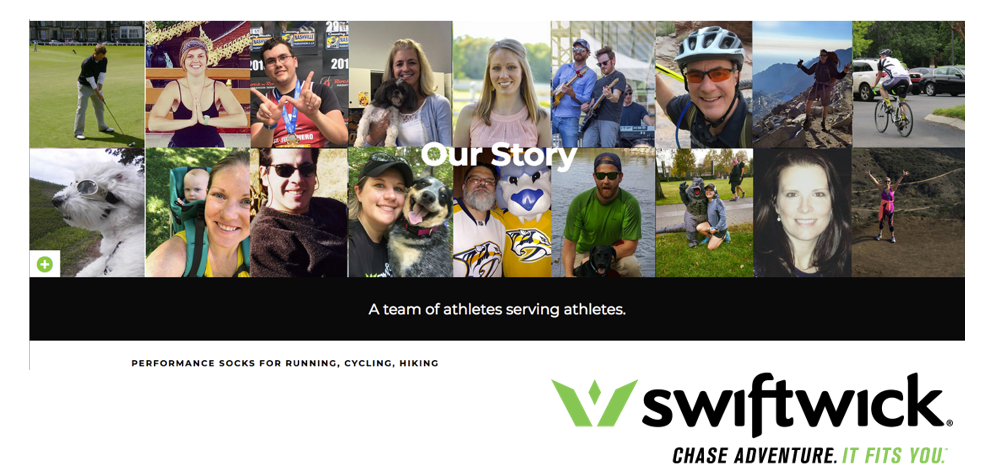
Like Swiftwick, firms and individuals need to understand the entire market of products or services they may offer and determine which market segment(s) they will target. Additionally, as we have mentioned earlier in this text, the firm or individual needs to develop a positioning statement with a brand tagline that speaks directly to these target markets. In Swiftwick’s case, as you can see above, they settled on the tagline: “Chase Adventure. It fits you.” This position speaks to their thousands of consumers who are physically active and need a performance, moisture-wicking sock for their training and competitions, which allow them to chase after the thrills and adventure they seek in their outdoor activities.
The selection of these market segments is critical in developing a successful inbound marketing campaign that will be sustainable for an extended period of time. As one considers these market segments, the marketing strategist should consider what the group will need, want, and will connect-with in the form of online content. We will discuss this much more in the next chapter, but in considering the target segments, this content along with the channels in which they find this content should be considered. Are these groups of consumers more likely to use Facebook, Instagram, Snapchat, Twitter, and/or some mixture of all of them? Whichever social platform they use, messages will need to be styled for each channel to maintain positioning continuity. Also to be considered are what demographic variances exist in the group? How large are the target segments and do they have any unique or specific behaviors? All of these questions should be considered when determining the specific target segments for your product, service, or ideas.
Finally, when considering these different target segments, be sure to consider all the types of consumers that encounter your product, service, or idea. In the previous example of the non-profit Cul2vate, the organization encounters various groups of people at different stages of its daily operations. For instance, they are involved with people who love agriculture and farming, but they also interact with people who love fresh produce, who do not want to work in the farm to raise it. Additionally, they have groups of volunteers to help at the farm and they even employ ex-convicts to work on the farm. Therefore, people who support reducing recidivism (i.e. the tendency of a convicted criminal to re-offend) can also support Cul2vate. Finally, they sell produce to local restaurants and food-service operations, as well as donate to local food charities.
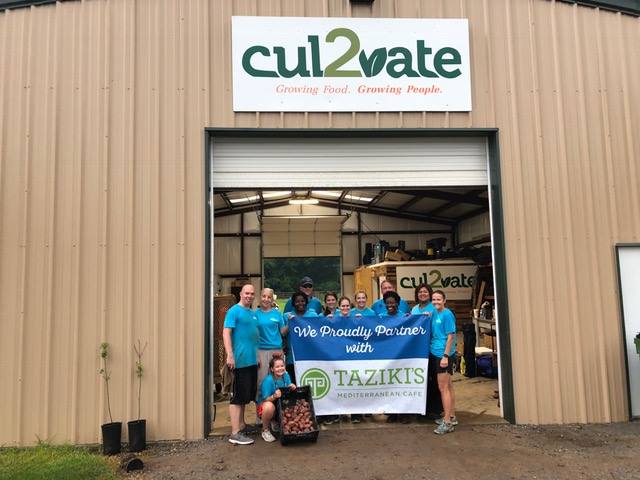
These market segments are all interested in Cul2vate and their story; nevertheless, the message targeting each of these groups will be different. This is where the accessibility of the digital medium becomes of extraordinary benefit. The digital messaging strategy of Cul2vate can afford to speak directly to each of these groups via their website and social media channels for little to no cost. Unlike outbound marketing campaigns that historically would have cost Cul2vate an immense amount of money to target each of these consumers, Cul2vate can now use digital resources like their website, social media, and email to connect and deliver specialized marketing messages to each of these target market segments. All of this is strategically delivered with the hopes of accomplishing strategic goals, whether that would be to sign up more volunteers, promote the date of their next crop sell, or highlighting local restaurants and diners that sell their produce. They can do all of this through their inbound marketing plan for low costs and high marketing ROI (return-on-investment).