If you go to bkitchen.org right now, you’ll find a real food and lifestyle brand. There’s a homepage with a hero image of a warm, sunlit kitchen and a simple tagline: “Home-style cooking and baking, made simple.” There’s a blog called B’s Kitchen Journal with actual published recipes, kitchen tips, and hosting guides. There’s a “Join B’s Table” email list. A Recipe Request Form. A Gift Card Giveaway. Facebook, Instagram, and Pinterest all connected and active, with consistent branded content that looks like it came from a small creative studio, not a college assignment.
Brooke Weber built all of it in one semester at Belmont University.
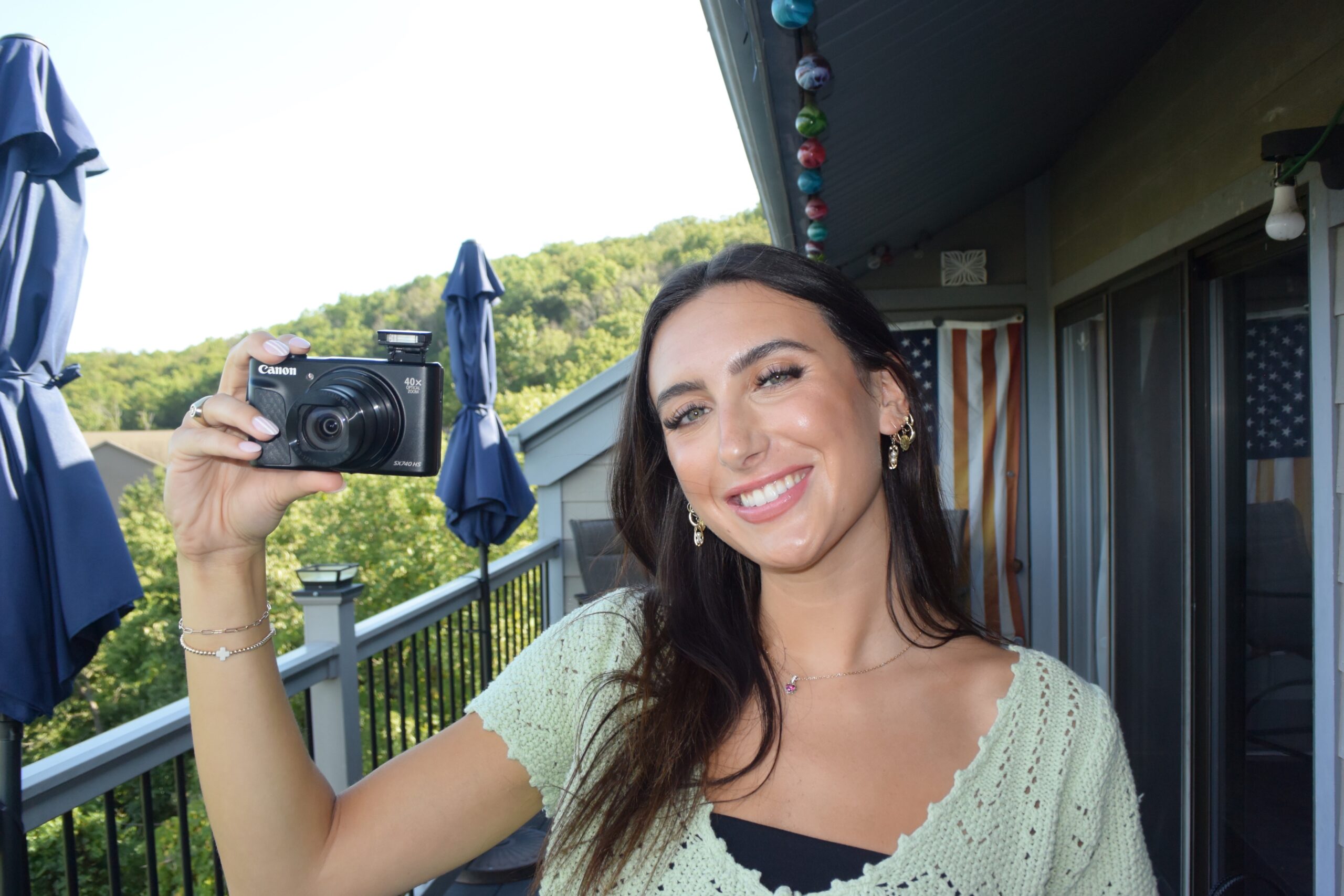
She goes by B. Her friends gave her that nickname, and it stuck. The name B’s Kitchen came from the same place most good brand names come from: something real, something personal, something that actually means something to the person behind it.
What the Course Actually Asked Her to Do
The Digital Engine practicum isn’t a typical marketing class. Students don’t sit in a lecture hall learning theory about content calendars and then write a paper about them. They build a real campaign. A real website. Real social media channels. Real analytics. Real content. The practicum runs simultaneously with the courseware, so everything you’re learning, you’re immediately applying to something you own.
For Brooke, that meant choosing a brand concept she cared about and building it from the ground up using the TDE methodology. She chose food. Specifically, the kind of approachable, personal, connection-forward cooking she’d grown up around.
“B’s Kitchen is a space for cooking and baking that feels comfortable, personal, and real,” she wrote on her About page. “It was created from a love for sharing food with others and the belief that cooking doesn’t need to be perfect or complicated to be meaningful.”
That clarity of brand voice doesn’t happen by accident. It’s one of the first things the TDE framework develops: who are you talking to, and why should they care.
What She Built
By the end of the semester, B’s Kitchen had every component of a functional inbound marketing engine:
A content hub. The B’s Kitchen Journal is a real blog with real posts organized by category: Baking, Cooking, Kitchen Tips, Hosting. Not placeholder content, not filler. Actual recipes (Snickerdoodle Cookies, Buffalo Chicken Sliders, Homemade Chicken and Dumplings), actual tips (How to Grow Your Own Herbs in Your Kitchen, Low-Stress Entertaining Systems), actual original writing. The kind of content that earns search traffic over time.
Social distribution. Brooke built branded Instagram content that looks like it came from a professional account: recipe carousels, hosting tip graphics, a video of her making chicken and dumplings with her mom. Consistent visual identity, consistent voice, consistent cadence. All connected back to the blog as the hub.
Lead capture. The “Join B’s Table” CTA is front and center on the homepage. She also built a Recipe Request Form, which is a smart piece of audience participation: it gives visitors a reason to interact beyond just reading, and it gives Brooke direct signals about what her audience actually wants.
A complete brand identity. The B’s Kitchen logo is a circular illustration of a KitchenAid mixer with clean, hand-lettered typography. It’s consistent across the site, the social posts, and all branded content. This didn’t come from a logo generator. It came from understanding what the brand needed to communicate and executing toward that.
In Her Own Words
From Brooke’s testimonial, submitted May 4, 2026:
“The Digital Engine courseware and practicum gave me a really strong, hands-on understanding of how digital marketing actually works in practice. Instead of just learning concepts, I was able to build and manage real components of a campaign including websites, forms, analytics, and social media strategy. It helped me see how all of these pieces connect to create a full digital presence, which made the learning experience feel practical and applicable.
One of the most valuable parts of the course was being able to apply what I learned in a real-world setting. It pushed me to think more strategically and gave me confidence in my ability to actually execute campaigns from start to finish. I was even able to land my first client and begin building a professional portfolio because of the skills I developed in this class.”
That last sentence is the one that matters most. She didn’t just complete an assignment and move on. She used what she built as proof that she could do this work for someone else, and then she found someone who needed it done.
Why This Is What “Education to Execution” Means
The InGen tagline is “Education to Execution.” It’s three words, but there’s a lot packed into them. The premise is that learning a marketing framework without executing it is barely half the education. The other half — the part that actually builds career readiness, client confidence, and real-world skill — happens when you apply the methodology to something real, with real stakes, and see what happens.
B’s Kitchen is what happens. Not a mock campaign. Not a classroom exercise. A real brand with a real online presence that exists beyond the semester, generates real organic traffic, and gave its creator the foundation to go land her first client straight out of school.
That’s the outcome the TDE methodology is designed to produce. Brooke is one of the clearest examples we’ve seen of it working exactly as intended.
B’s Kitchen Is Still Growing
The site is active. Brooke is still posting. The Journal has new content. The social channels are still running. The brand she built in a semester has taken on a life of its own, which is exactly what a good inbound content strategy is supposed to do: create something that compounds over time without requiring constant intervention.
Go visit bkitchen.org. Look at what a student built with the TDE methodology and a semester of focused work. Then ask yourself what you could build with the same framework, the same methodology, and an AI assistant helping you execute.
That’s what the InGen CE program offers. The methodology is the same one Brooke used. The difference is you’d have Ginny running the execution layer so you can focus on the creative work and the strategy. The CE waitlist is open at ingenintelligence.com.
Nice work, B.
0 Comments